A scientist on the irrationality of war
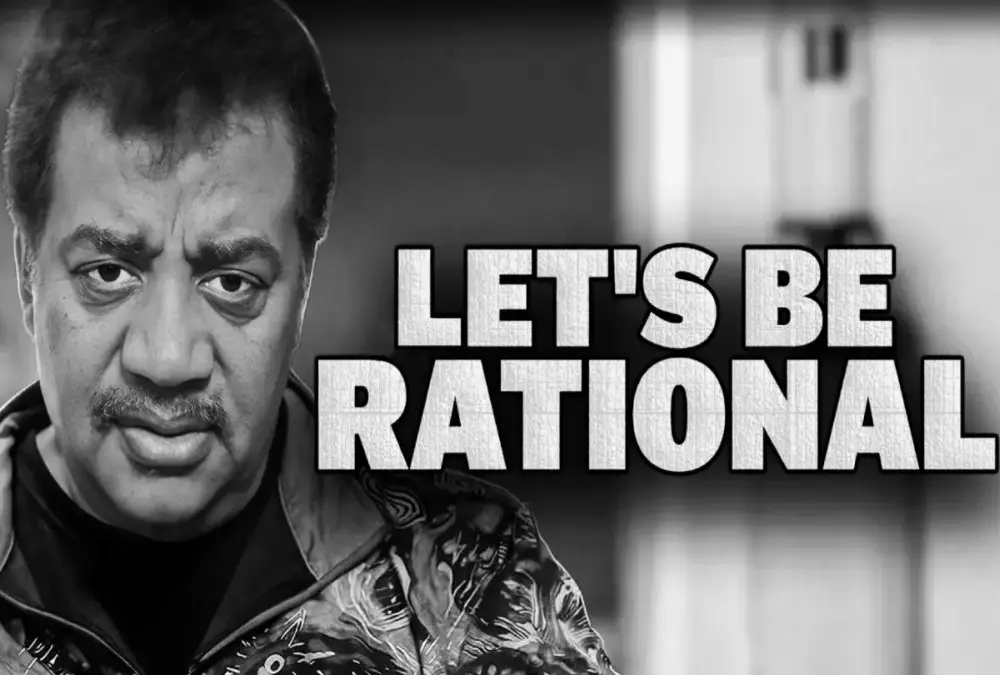
Neil de Grasse Tyson runs a regular series called Star Talk along with occasional and special guests. His regular co host is Chuck Nice and Star Talk is a great programme often involving scientific fact, scientific debate and scientific curiosity. Almost every episode has a good sprinkling of humour, necessary because its a way of lightly amusing the audience with the ways and means to understand the various scientific concepts and debates. Neil does the occasional Star Talk solo, and those are usually on a somewhat more serious note.
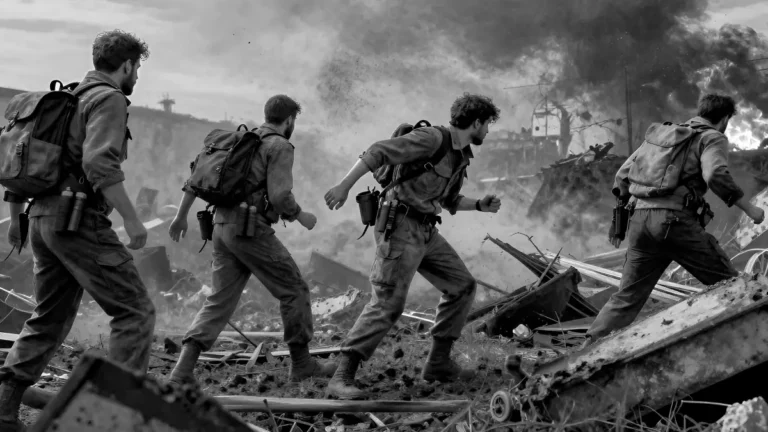
This particular Star Talk episode is very serious however and it comes hot on the heels of the current war the US and Israel are conducting with Iran. Neil discusses what is clearly the irrationality of war. In the programme he explains why war is fought, and how weapons have exponentially increased in firepower. For example one person with a bow and arrow could kill just one person at a time. With guns, the rate of killing could increase considerably. Machine guns changed all that because one person could kill dozens of others in one go. Then bombs, where again one operative could press a button and release a bomb, killing dozens, hundreds even. With nukes its just one military personnel sitting in comfort in some deep bunker pressing the button and the result is potentially millions killed in an instant. Neil says:
So, let’s go way back when it’s just fisty cuffs. What’s the most damage I could do? I can like maybe harm one person, possibly kill one person at a time. Now I have a bow and arrow. I’m one person and I can take out 10 people at a time. Notice this ratio is getting steeper and steeper. I now have a gun. Actually, it’s a musket gun. Initially, I could take you out at 50 yards. I don’t even know what you look like and I can kill you. Then have automatic weapons. One person can take out 20 people. You reload, take out another 20. A missile. You fire a missile. I can take out hundreds of people. War continues to quote advance. What else can I have? Oh, bombs. Yes. So now one person can kill thousands. Once you have an airplane, you can fly over someone’s head. It renders the trench warfare obsolete. Airplanes can go over cities. You drop bombs on people’s heads, whether or not they’re combatants. So now you just make more and more powerful bombs. Now the bombs are no longer just explosives like with gunpowder or anything. It’s nukes.
War was once (by my own reasoning) local but that’s changed. Its now non-local (that’s a different sense compared to non-locality in physics) meaning armed conflict can be controlled from far away. The enemy to begin with was fought face to face, and now its fought remotely, no-one ever sees the enemy’s face – if ever – unless its boots on the ground or some drone that films a bomb dropping down on an enemy soldier and them looking up at the falling explosive device before an almighty explosion ensues.
Neil also discusses some of the other reasonings behind war, including territorial, belief systems, resources, as well as the existential threat an enemy might possess. Clearly peace is always at threat from someone who wants to destabilise the planet, and it can come from those with belief systems:
Belief systems are such that it may be true for you, but it’s not really true for other people unless you convince them of it. And since it’s based on belief, rational arguments tend to not work, you need methods of coercion or force, ultimately threat of violence, perhaps even threat of death. And so some of the most violent encounters civilization has ever had with itself is when one waring faction has a belief system that differs from that of their adversary.
Neil also discusses the notion that humanity, instead of fighting against each other and potentially bringing about Armageddon, would quickly change its mind and fight together if a threat came from space. It would be a curious shift in how humanity perceives others of its own species when there comes a moment (if ever) an alien species arrives at Earth and threatens the future of humanity.
Neil’s video can be watched on Youtube – but it can also be watched on this page if one wishes. There’s no desire to take away anything from the video but there is no doubt it is a very important video in light of what is currently happening. Not everyone on Youtube will see it. That will depend on their choices, what Youtube sees of their history and the rest of it. Not only that the algorithms will no doubt show the video quite high up in the ratings for a week or two, before it sorts of drops down and Youtube viewers miss it out or are watching fresher and more current topics. That is the thing about the Internet, nothing stays at the top for long!